For Homes
We service tanks and tankless units in houses, condos, and rentals across Bradenton. You get a flush, a safety check, and a plain rundown of what we found.
- Tank popping or rumbling
- Hot water runs out fast
- Rusty or cloudy hot water
Water Heater Maintenance Bradenton FL is the once-a-year service that keeps your tank from rusting out from the inside. We drain the sediment, test the T&P relief valve, and check the anode rod before it fails. If your water heater is over five years old and has never been serviced, book a water heater tune-up Bradenton homeowners trust. Same-day slots are open across Manatee County.
 Drain and flushAnode checkT&P test
A standard water heater maintenance service Bradenton FL visit covers the full flush, the safety checks, and a written summary of what we found. Replacement parts like anode rods, elements, and valves are quoted separately before we install them, so you always know the number first.
We drain the tank completely and wash the sediment off the bottom with a hose or drain pump. This is the core of the service and the step that most extends tank life. Skipping it is why so many tanks fail early.
We pull the anode rod with an anode rod wrench and check how much sacrificial metal is left. Once it is eaten down to the core wire, corrosion starts on the tank itself. A new rod is inexpensive insurance.
The temperature and pressure relief valve is the safety part that keeps a tank from becoming a bomb. We test it by hand and replace it if it sticks or weeps. This check takes two minutes and matters more than any other.
On electric tanks we test the heating element and thermostat with a multimeter and confirm the breaker is sized right. A weak element is a common cause of lukewarm water, and it is easy to catch early.
On gas units we check the thermocouple, igniter, and gas control valve, and we sniff for leaks with a gas leak detector. A dirty flue or a failing thermocouple is behind most pilot-light problems.
You get a short report on what we checked, what we replaced, and what to watch. It includes the tank age and the recommended next service date.
The approach is the same for a home and a business. What changes is the access, the schedule and who needs the paperwork.
We service tanks and tankless units in houses, condos, and rentals across Bradenton. You get a flush, a safety check, and a plain rundown of what we found.
We maintain water heaters for restaurants, salons, and small commercial properties on a set schedule. You get documented service records and fewer surprise failures during business hours.
A plain-language look at what Water Heater Maintenance involves and when it is needed.
See how it worksWater Heater Maintenance Bradenton FL is a scheduled service that drains sediment, tests safety controls, and replaces worn parts before they fail. We pull the drain valve, flush the tank with a water heater drain pump, and check the anode rod, heating element, thermostat, and T&P relief valve. On gas units we also inspect the thermocouple, igniter, and gas control valve. A full visit runs 60 to 90 minutes on a standard 40- or 50-gallon tank.
Bradenton's water carries dissolved minerals that settle into a hard crust on the tank floor. That sediment insulates the burner, drives up gas use, and shortens tank life by years. We see it constantly in homes built through the 1990s in Bayshore Gardens and West Bradenton. If you have been searching for water heater maintenance near me Bradenton FL, this is the service that pays for itself in avoided repairs.
A yearly flush and safety check is what keeps a water heater running hot and dry.
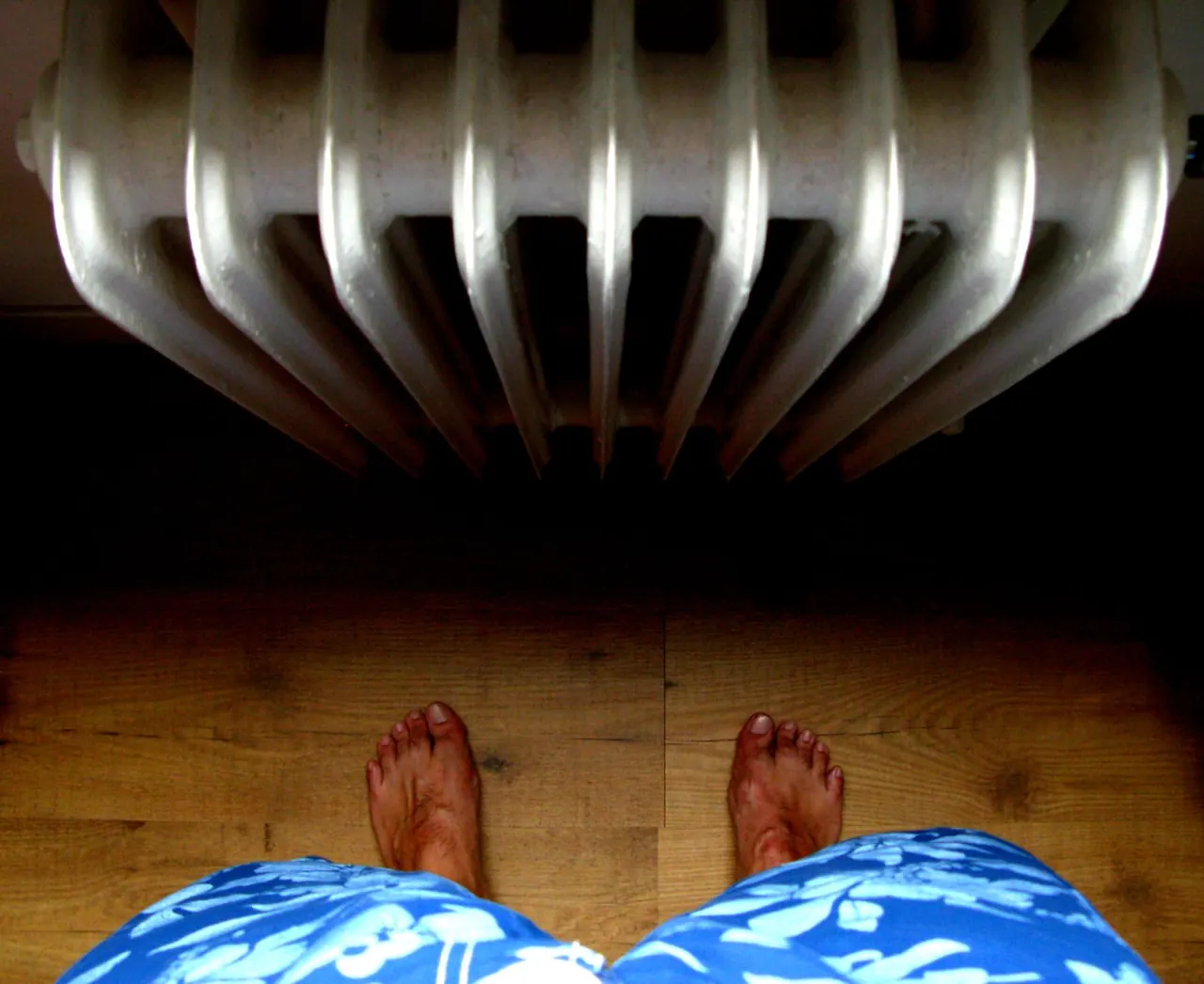
Every water heater maintenance service Bradenton FL job follows the same five steps. You get a clear walkthrough before we start and a plain-English rundown of what we found before we leave.
We start by confirming the tank brand, age, and fuel type, then check the install for code issues. You tell us what you have noticed: popping sounds, rusty water, short hot-water runs. That conversation sets the plan, and it takes about ten minutes.
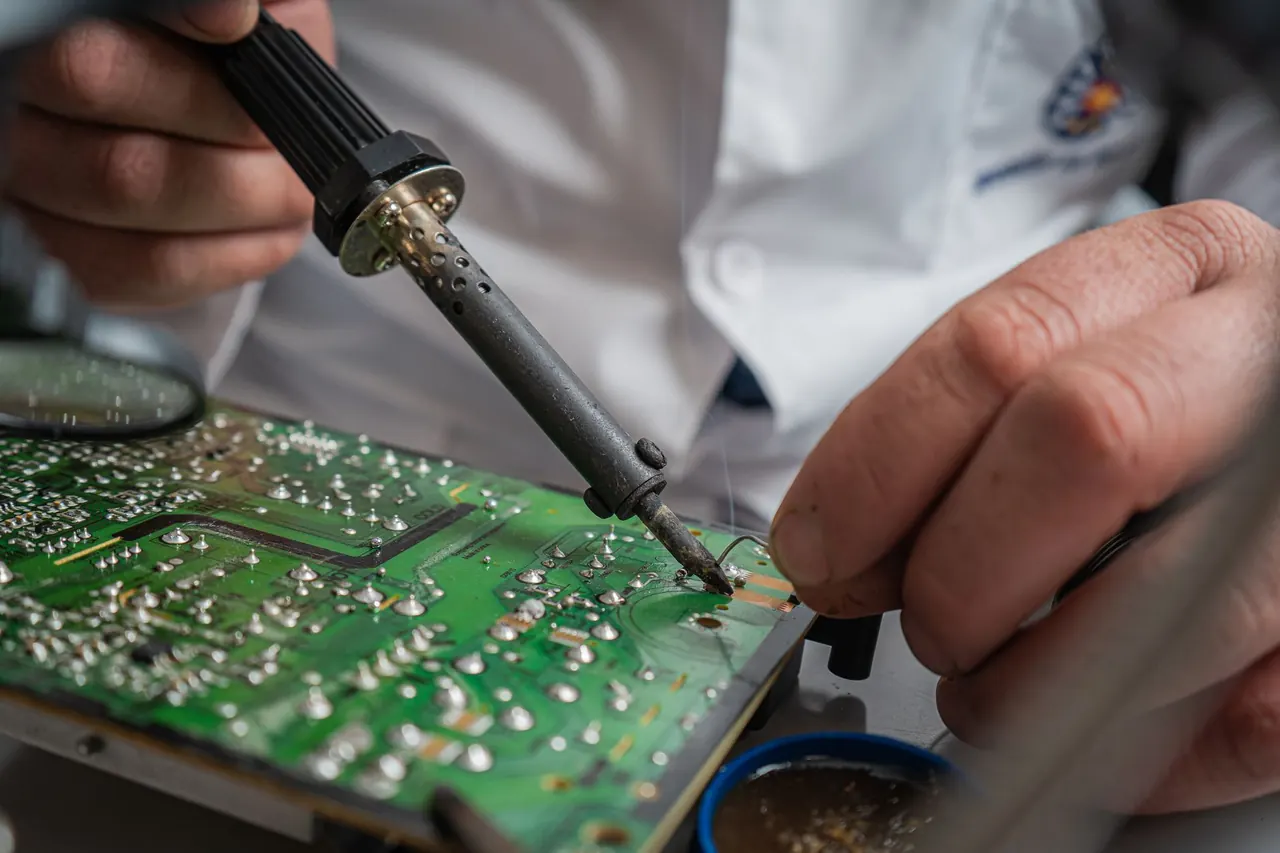
We shut off the gas or power, close the supply valve, and hook up a hose or water heater drain pump. The tank drains fully, then we open the supply to wash the sediment out of the bottom. On a badly scaled tank this step takes the longest.
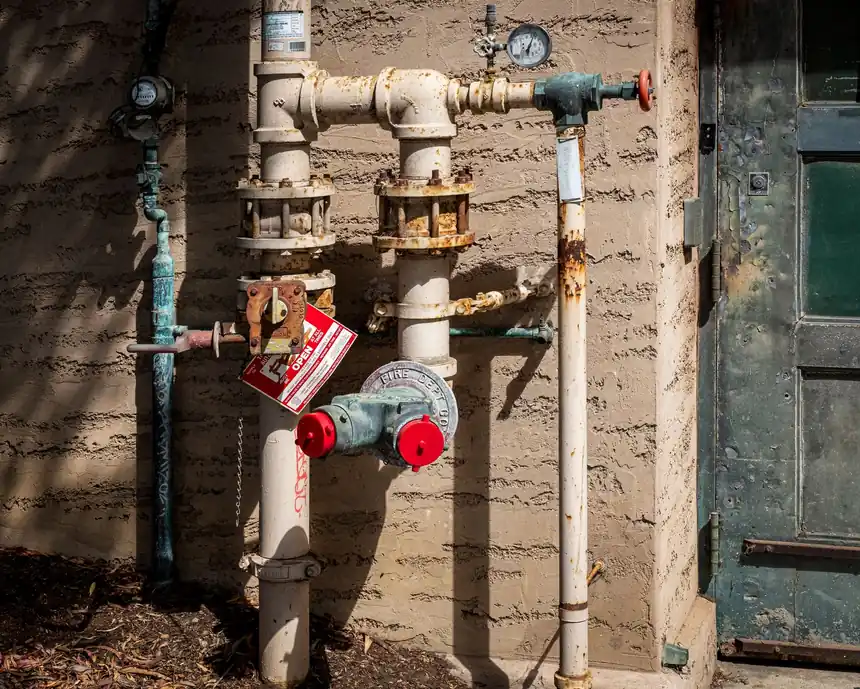
With the tank empty we check the anode rod, heating element, thermostat, dip tube, and T&P relief valve. On gas models we test the thermocouple and igniter and look for any sign of a gas leak with a gas leak detector. Worn parts get flagged with a price before we touch anything.
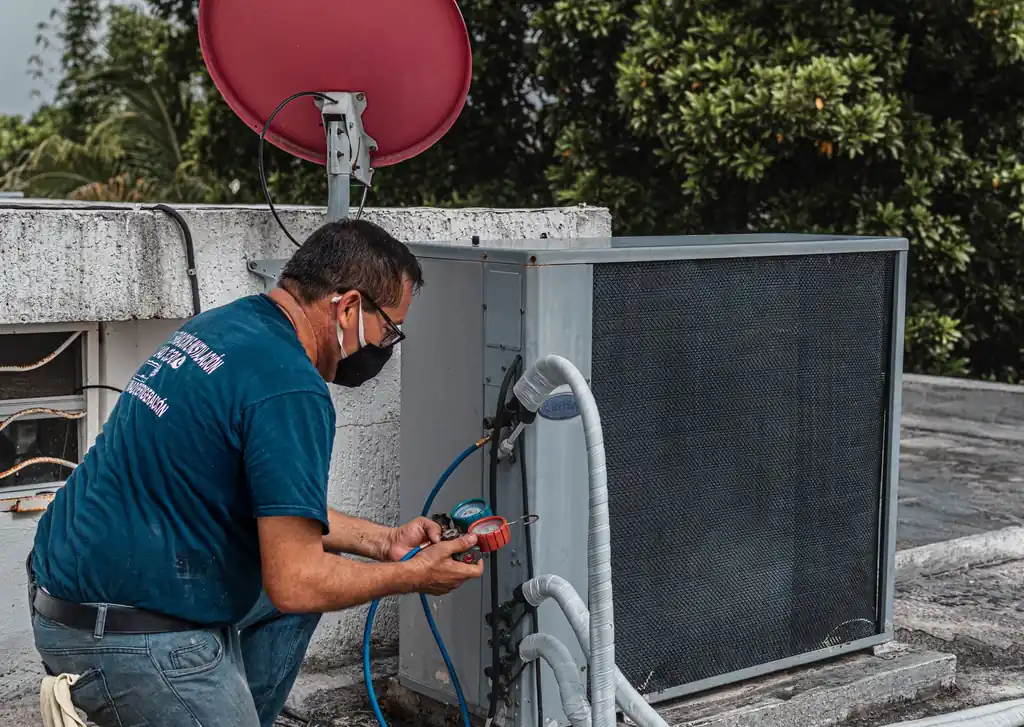
We swap the anode rod or element if needed, using an anode rod wrench and element wrench so nothing gets stripped. Then we refill the tank, purge the air from the lines, and restore power or gas. Refill and purge usually takes fifteen to twenty minutes.
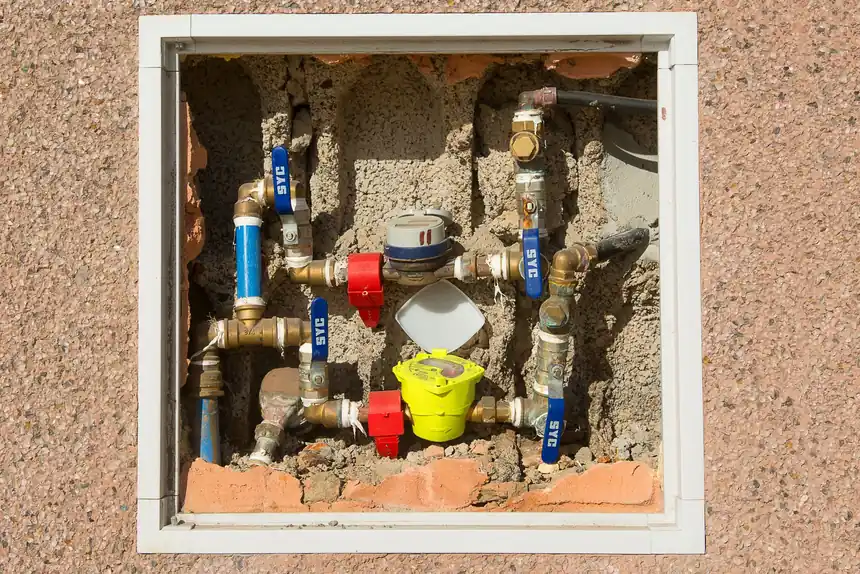
We run the unit up to temperature, confirm the thermostat cycles correctly, and check for leaks at every fitting. You get a short report on what we found and what to watch. Most visits wrap in 60 to 90 minutes.
Move across a circle, or focus it and press Enter, for an illustrative thermal view of the photograph.
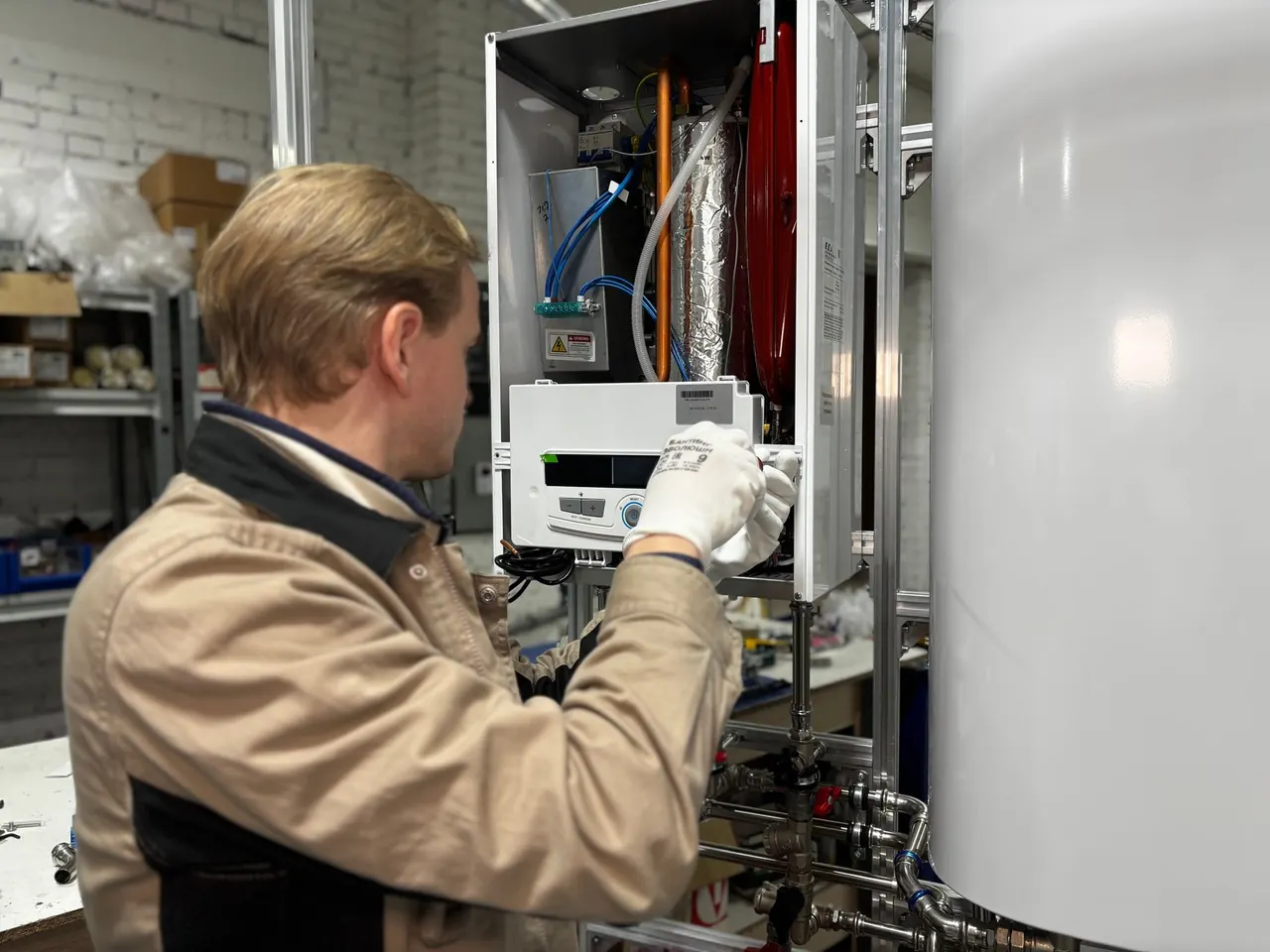
Moves the flush water and sediment out fast when gravity draining is slow or the tank sits below the nearest drain.
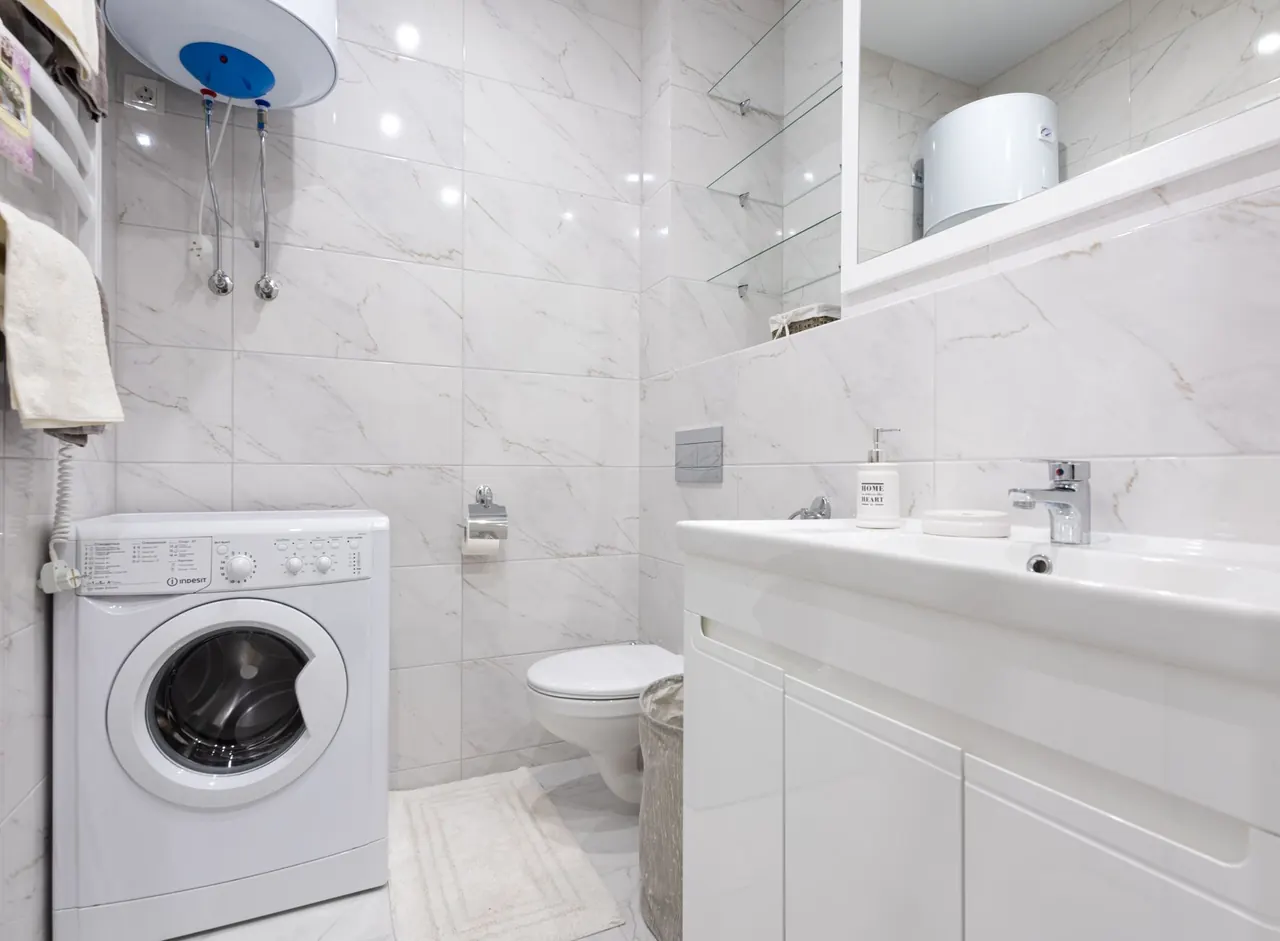
Fits the hex head on the anode rod so we can pull it without rounding the fitting. Essential on Rheem and A.O. Smith tanks.

Seats and removes screw-in heating elements on electric tanks without damaging the threads or the tank opening.
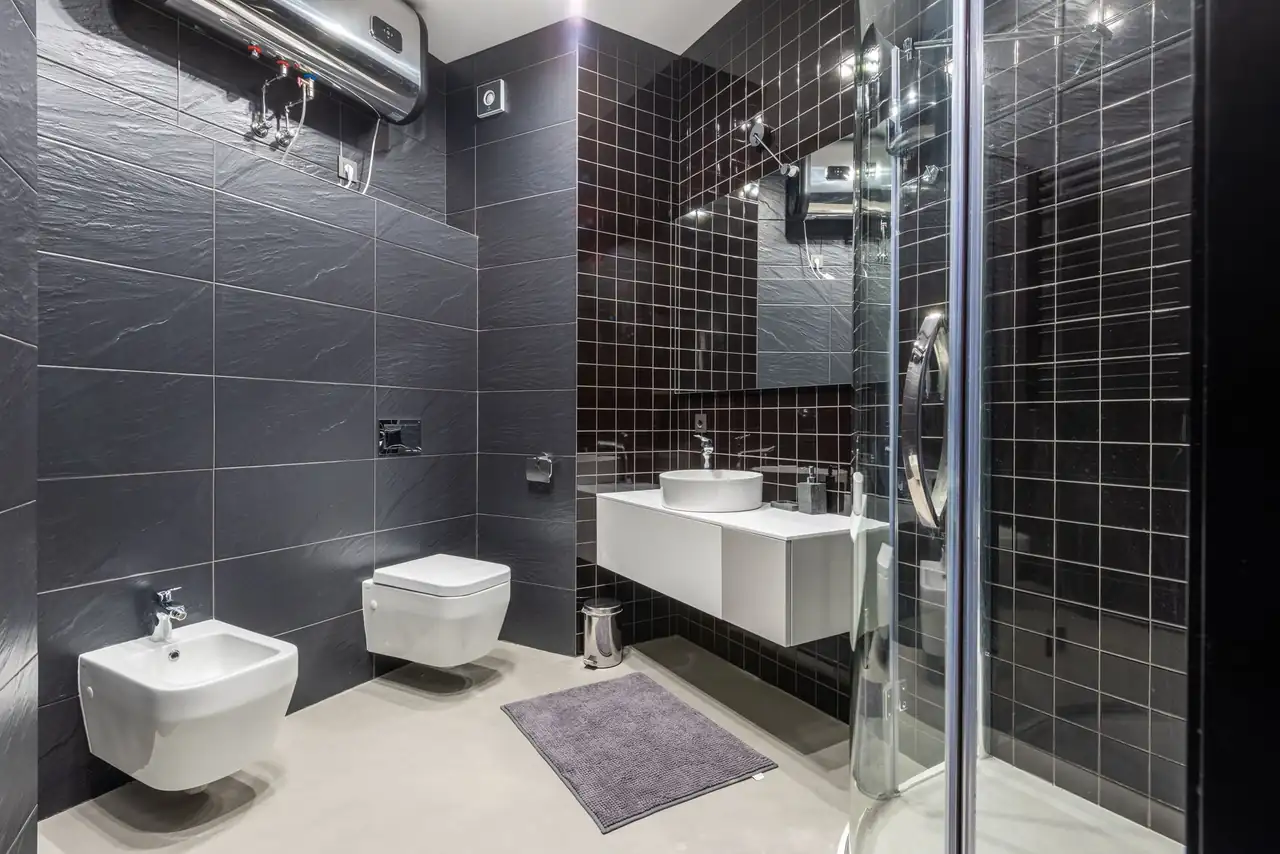
Tests heating elements, thermostats, and incoming voltage so we replace the failed part instead of guessing.
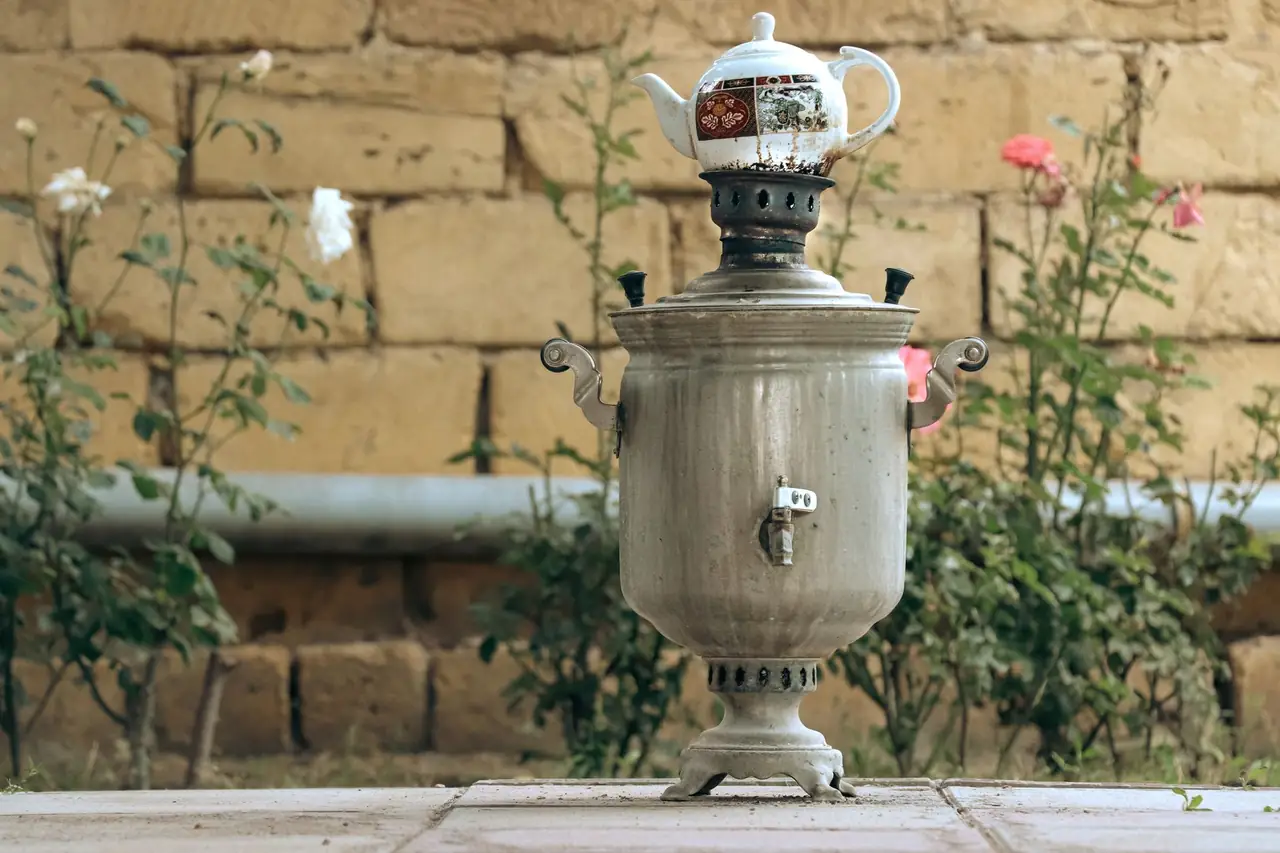
Sniffs around the gas control valve, thermocouple, and supply fittings on every gas-side visit.
Thermal views are illustrative, generated from the photographs.
Confirms the temperature and pressure relief valve opens and reseats properly under test.
Cleans soot and debris from the flue on gas units so the burner drafts correctly and the pilot stays lit.
We follow UPC requirements for T&P discharge piping, expansion control, and drain pan installation. Code-correct work protects you at inspection time and keeps the install safe.
Gas water heaters get tested against the ANSI Z21.10.1 standard for controls, venting, and combustion. It is the reference that separates a real gas inspection from a visual glance.
Every install and repair we touch is checked against the Florida Building Code, including strapping, clearances, and venting. It matters for insurance and for passing a home inspection.
Our techs hold EPA Section 608 credentials, which governs refrigerant handling and applies to the heat-pump water heaters we service. It keeps us on the right side of federal rules.
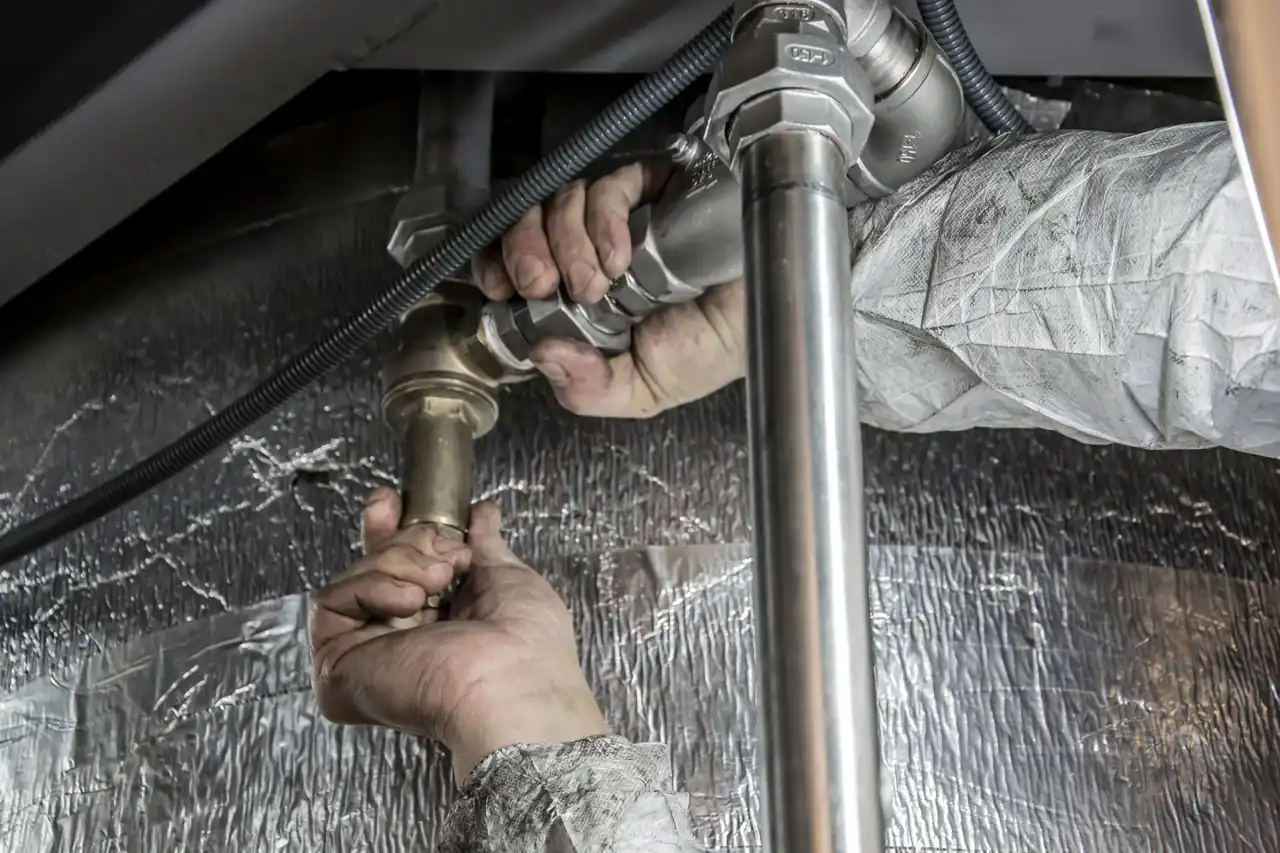
A tank that has never been serviced and is now five to eight years old.
We start with a full drain and flush, then inspect the anode rod, element, and T&P valve. If the tank is still solid, an annual schedule from here on can add years to its life. If it is too far gone, we tell you before you spend more on it.
Outcome: You either get a healthy tank with a clear service plan or an honest replacement recommendation with no wasted money in between.
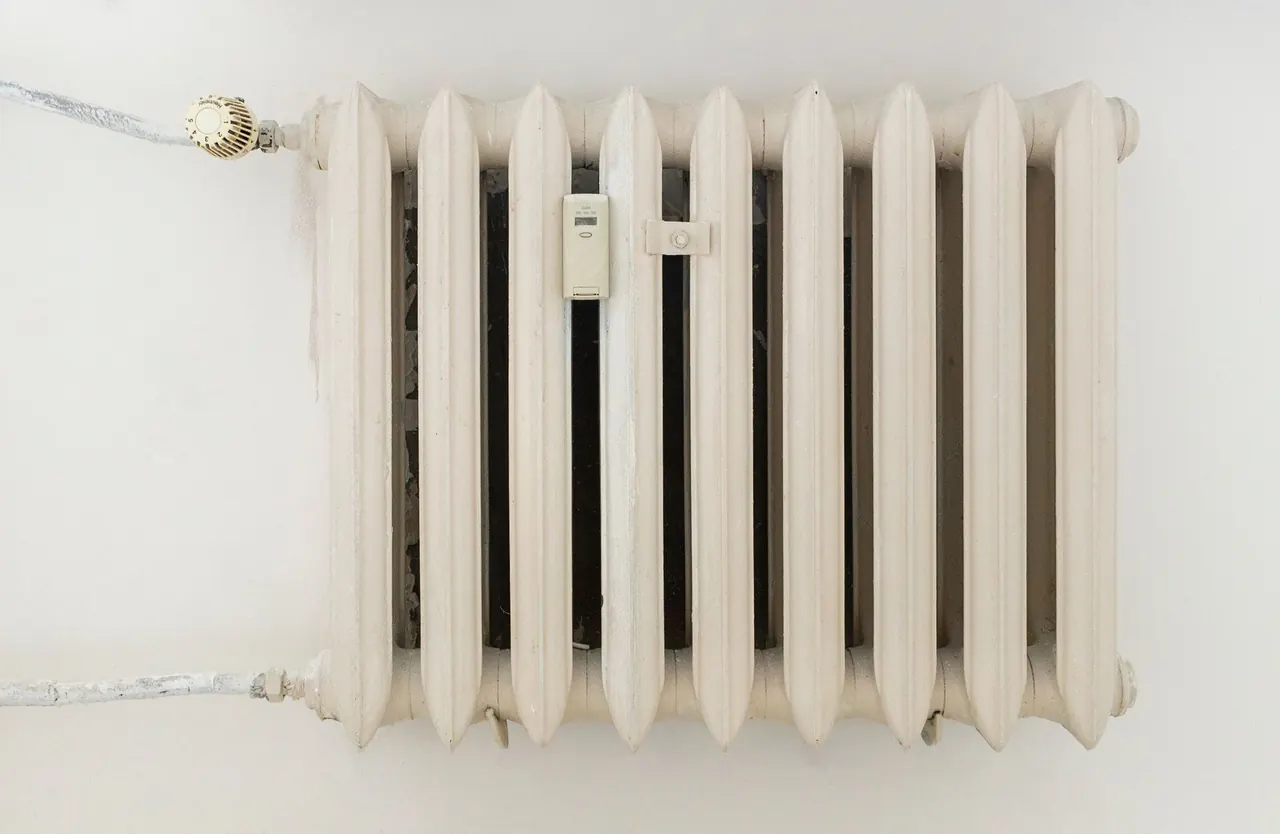
A rental property where the tenant reports lukewarm water.
We test the element and thermostat, flush the tank, and check the dip tube. Landlords get a written report they can keep on file for the property. We schedule around tenant availability so nobody has to take a day off.
Outcome: The tenant gets hot water back, and you get documentation showing the tank was serviced and what condition it is in.
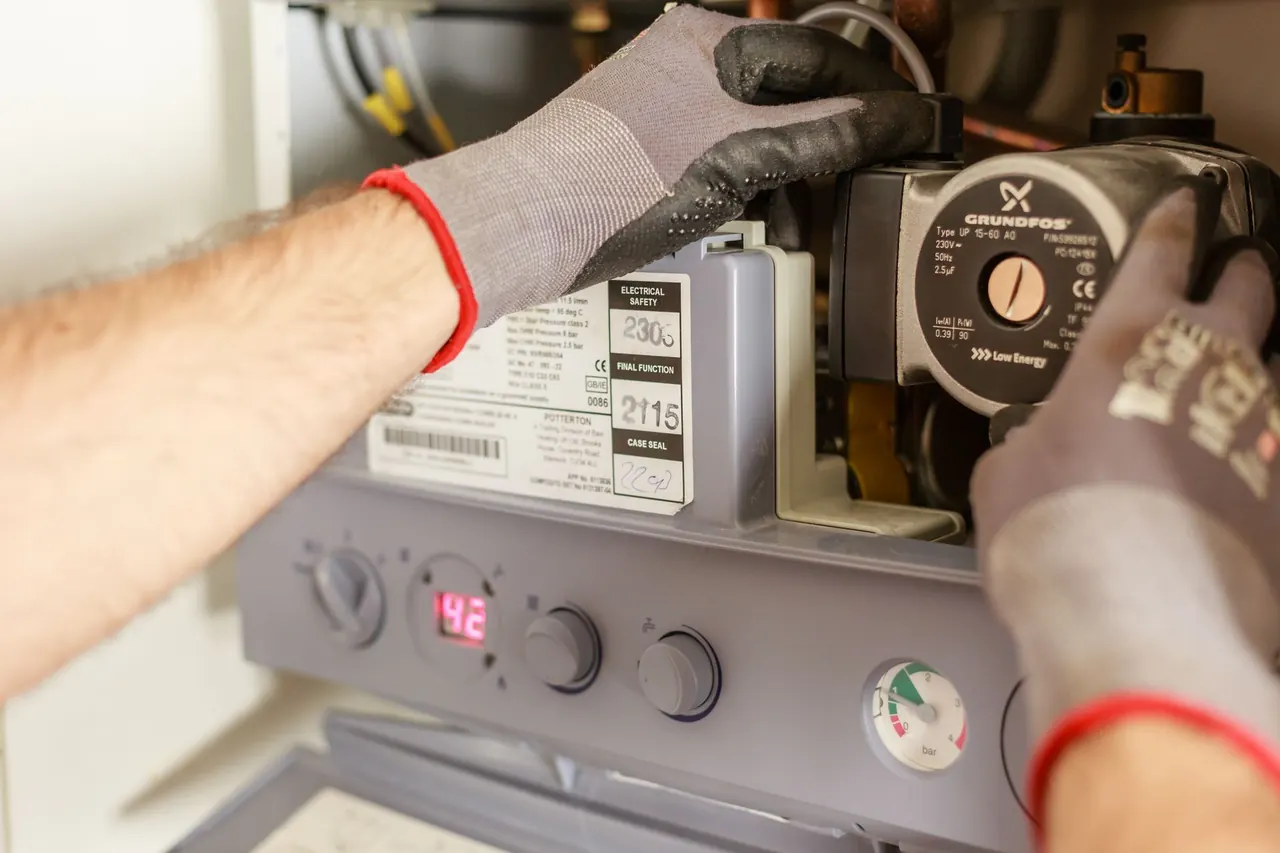
A tankless unit that has gone two years without descaling.
We run a descaling flush through the heat exchanger with a pump and descaler, then check the flow sensor and inlet filter. Navien, Rinnai, Noritz, Takagi, and Bosch units all need this at least yearly in our water.
Outcome: Hot water output returns to normal, error codes clear, and the heat exchanger avoids the scale damage that shortens tankless life.
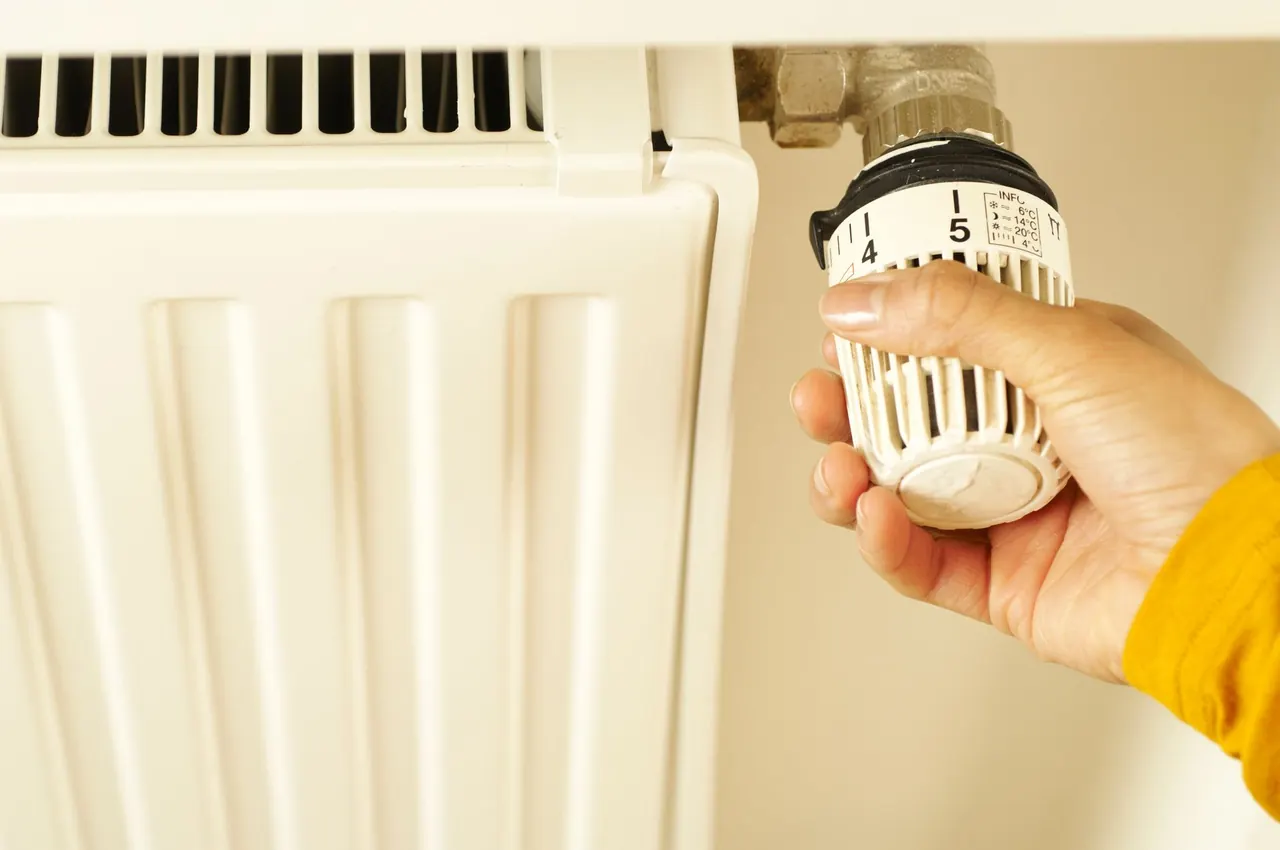
Preparing a home for sale or a home inspection.
We service the tank, document its age and condition, and note any code issues like a missing expansion tank or a bad T&P discharge line. The report gives buyers and inspectors a clear picture.
Outcome: Fewer surprises during the inspection and a documented service history that supports the asking price.
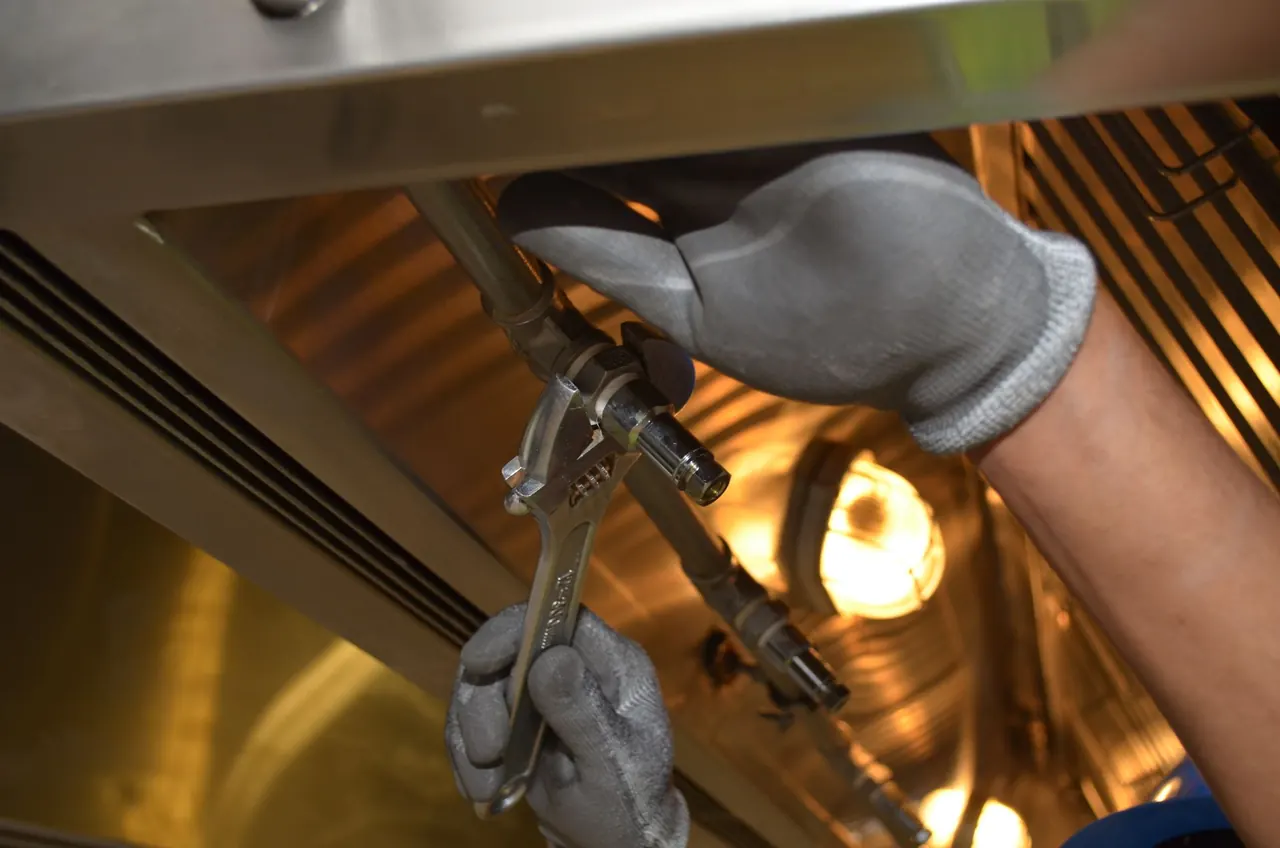
A family of five running the tank hard every day.
High daily demand means faster sediment buildup and more stress on the element and anode. We set these homes on a strict annual schedule and check recovery time at each visit.
Outcome: Steady hot water through the morning rush, with fewer mid-week surprises and a tank that is not working itself to death.
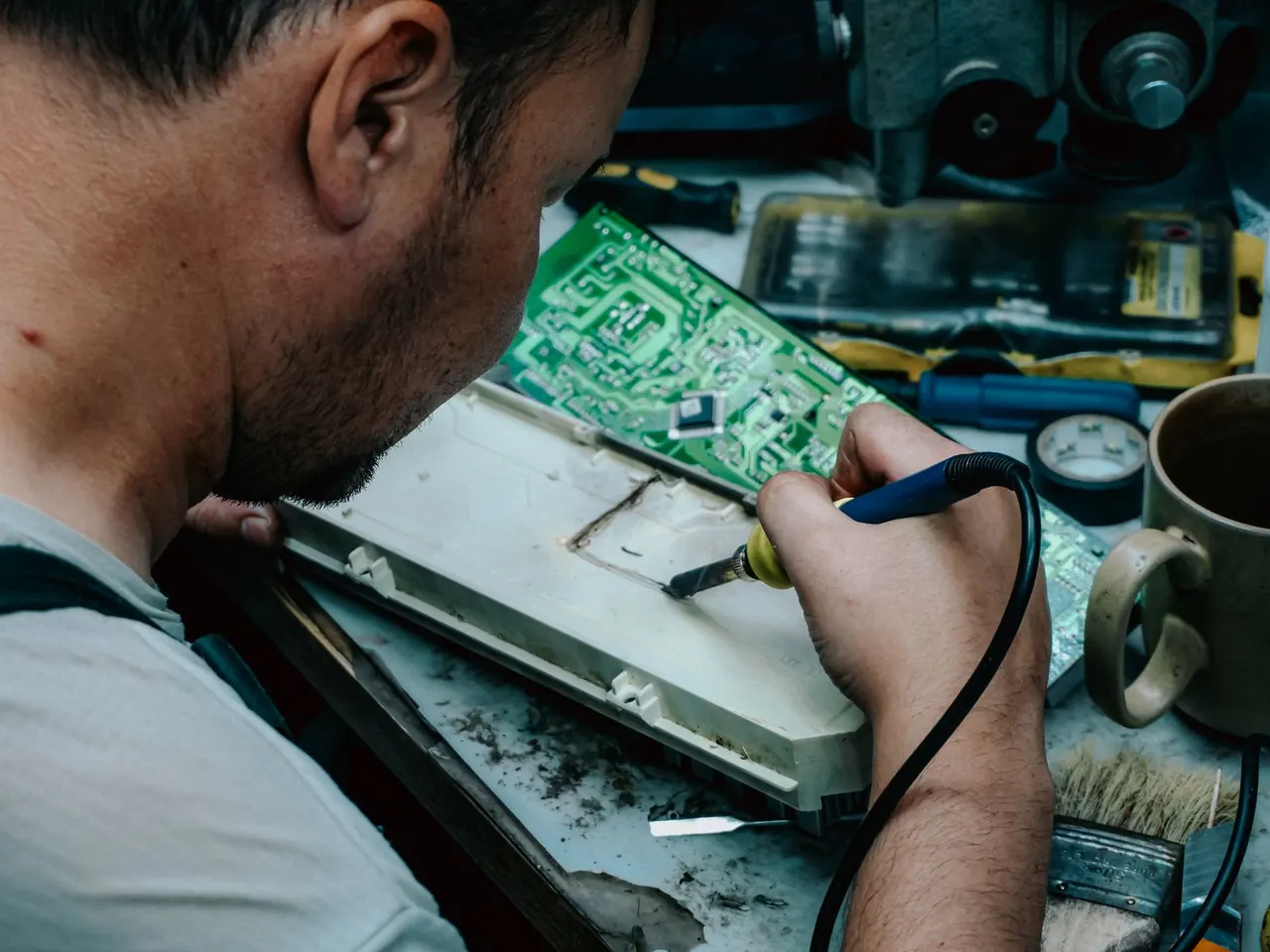
Bradenton sits on hard water, and that shapes everything about water heater maintenance here. The mineral load settles into a crust on the tank floor faster than in softer-water markets, so an annual water heater flush Bradenton schedule is not optional advice, it is the norm.
Homes built in the 1980s and 1990s around Bayshore Gardens and West Bradenton often still run the original tank, and those units are the ones that benefit most. Coastal humidity also works on the fittings and the tank shell, so we check for corrosion at the nipples and the dielectric unions on every visit.
On the gas side, we follow the Uniform Plumbing Code and Florida Building Code for venting and T&P discharge, and we test against ANSI Z21.10.1. Whether you are in a Lakewood Ranch build from the 2000s or a Samoset home with a Bradford White tank pushing fifteen years, the service is the same: flush, inspect, test, and document.
Before: A 12-year-old Rheem was popping loudly and the hot water ran out after one shower. The tank had never been flushed, and the bottom was caked with sediment an inch thick. The anode rod was down to the core wire.
After: We flushed the tank, replaced the anode rod, and tested the T&P valve. Recovery time dropped from 45 minutes to about 25, the popping stopped, and the tank ran quietly for years after.
Keep it on an annual flush and check the anode rod every two years. That schedule is what keeps a rescued tank running.
Before: A family of five had lukewarm water by mid-morning on a 2016 electric A.O. Smith tank. One heating element had failed and the lower thermostat was reading wrong. The breaker had been tripping for weeks.
After: We replaced the failed element and thermostat, confirmed the breaker size, and flushed the tank. Hot water held through the morning rush again, and the breaker stopped tripping entirely.
Test the elements and thermostat at each annual visit. Catching a weak element early avoids a cold-water morning.
Before: A Navien tankless unit was throwing a scale error and running cool. It had gone two years without descaling, and the heat exchanger had visible mineral buildup. Flow had dropped noticeably at the fixtures.
After: We ran a full descaling flush with a pump and descaler, cleaned the inlet filter, and checked the flow sensor. Output returned to normal and the error code cleared the same day.
Descale every 12 months in Bradenton water. It is the single habit that keeps a tankless unit running at full output.
Most water heater failures do not happen overnight. They build quietly for months. A yearly visit catches the warning signs while the fix is still small and cheap.
Steady hot water, a longer-lasting tank, and fewer emergency calls.
Flushing it out each year can add three to five years of service on a Rheem or A.O. Smith unit. That is real money, since a replacement install runs into four figures while maintenance stays a fraction of it.
A quarter inch of scale on the tank floor forces the burner to run longer to hit the same temperature. After a water heater sediment flush Bradenton homeowners see recovery times drop noticeably. On a gas unit that shows up as a smaller monthly bill, month after month.
Most no-hot-water calls trace back to a failed heating element, a dead thermocouple, or a tripped breaker that a routine inspection would have caught early. Catching a weak element at a tune-up costs far less than a holiday weekend emergency visit with a cold shower waiting.
The T&P relief valve and the anode rod are the two parts that protect the tank from pressure failure and corrosion. We test the valve by hand and pull the anode to check how much sacrificial metal is left. Replacing a spent anode rod is cheap; ignoring it means a leaking tank.
Clear records you can keep and share.
What was checked and replaced
Images of key parts inspected
Any components replaced that day
Recommended timing for the next visit
Both types need yearly attention, but the work and the failure points are not the same.
Tank holds heated water ready to use
Heats water on demand, no storage
Burner and flue need inspection
A list like this tells people straight away whether you cover their street. Not listed? Call and ask: it only takes a minute.
Based in Bradenton and covering the places around it. Pick one for local details.
A basic flush and inspection sits at the low end. Adding an anode rod or heating element pushes it higher. Tankless descaling runs a bit more because the process takes longer and uses a pump and descaler.
Once a year is the right interval for most Bradenton homes. Our water is hard enough that sediment builds fast, and a tank that goes three or four years without a flush is already losing efficiency. Tankless units need descaling every 12 months too. If you have a large family or high daily use, keep it annual without exception.
A tune-up includes a full drain and sediment flush, an anode rod check, a T&P relief valve test, and a look at the heating element, thermostat, and dip tube. On gas units we check the thermocouple, igniter, and gas control valve. You get a report on what we found and what needs attention soon.
Yes. It also catches small failures before they become no-hot-water emergencies. Over ten years the math favors maintenance by a wide margin.
Other services from the same team.
One annual visit keeps your tank running hot and your floor dry. Call now and we will find you a slot, often the same day.
Call us at +1 941-304-0128 or send an email and we will get back to you quickly. Our office is open Monday through Friday, and we handle emergency calls outside those hours. If your water heater is leaking or you have no hot water, call rather than email so we can help right away.