Why Does My Water Heater Run Out of Hot Water So Fast?
If your shower goes cold in five minutes, the tank isn't the problem - the cause is. Here's what's actually happening and how we fix it in Bradenton.
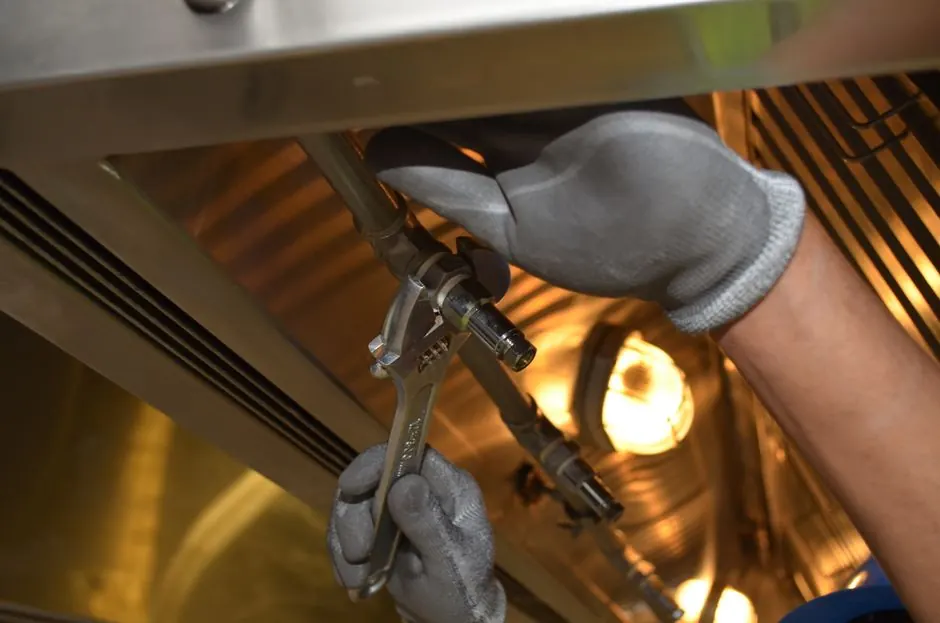
If your shower turns cold in five minutes, the most likely culprit is a broken dip tube - a $15 plastic part inside the tank that has cracked and is letting cold incoming water mix with your hot water at the top. The second most common cause in Bradenton is sediment build-up from our hard water, which can cut your usable hot water by 30-40% within three years. This post walks through every realistic cause, how to test for each one in about 10 minutes, and when it's time to stop guessing and call someone.
Water heater repair is the category of work that covers diagnosing and fixing these failures - dip tubes, heating elements, thermostats, sediment, leaks, and gas valves - before the tank itself fails completely. If you've noticed your hot water lasting less and less each month, that's the pattern we see most often, and it almost always has a fixable cause.
The Short Answer: Your Tank Isn't Empty, Your Hot Water Is Being Stolen
A 50-gallon water heater in Bradenton should deliver roughly 40-45 gallons of usable hot water before the temperature drops noticeably. If you're getting 15 gallons and then a cold shower, the tank isn't running out - cold water is being introduced into the hot side of the tank, or the tank can't heat fast enough to keep up. Those are two different problems with two different fixes.
Here's the quick version of what's happening inside a standard tank-style heater:
- Cold water enters through a dip tube at the top and is supposed to travel to the bottom of the tank.
- A gas burner or electric element at the bottom heats the water.
- Hot water rises and exits through a short pipe at the top.
- When the dip tube breaks, cold water shoots straight to the top and exits your shower immediately.
That last point is the single biggest reason a water heater "runs out fast" while the tank itself is still full of hot water. We see it constantly on units installed between 2005 and 2015, because those years used a plastic dip tube that gets brittle with age and Bradenton's chlorinated water supply.
If you want a broader overview of what we handle across the area, our Water Heater Repair Bradenton FL page covers the full range of services, from diagnostics to full replacement.
Cause 1: A Broken Dip Tube Sends Cold Water Straight to the Top
A broken dip tube is the number one cause of fast hot-water depletion in tank-style heaters, and it's also the cheapest to fix - usually $150 to $280 in parts and labor for a 40- or 50-gallon unit.
The dip tube is a thin plastic tube about 3/4 inch in diameter that runs from the cold-water inlet at the top of the tank down to within a few inches of the bottom. Its only job is to deliver cold water to the bottom where the burner can heat it. When it cracks - usually near the top fitting - cold water dumps directly into the hot-water outlet zone.
You can test for this yourself. Run a hot-water faucet and feel the temperature over 60 seconds. If it starts hot and drops fast to lukewarm, that's a classic dip tube failure. If it starts hot and stays hot until the tank genuinely empties, your dip tube is probably fine and the problem is elsewhere.
Replacing a dip tube means shutting off the water, draining the tank partially, removing the cold inlet nipple, and fishing the old tube out. It's a 45-minute job for someone who has done it before. Doing it yourself risks cross-threading the dielectric nipple and creating a leak you didn't have before.
Cause 2: Sediment Build-Up From Bradenton's Hard Water
Bradenton's municipal water runs hard - typically 8 to 12 grains per gallon of calcium and magnesium - and that mineral content settles to the bottom of your tank as sediment every time the water is heated. After two to three years, that layer can be an inch thick.
Sediment does two things that shorten your hot showers. First, it insulates the water from the burner or element, so the tank takes longer to recover between uses. Second, on gas units, it creates the popping and rumbling sound you hear when the burner fires - that's steam trapped under the sediment layer.
On electric heaters, sediment is worse. It buries the lower heating element, which then overheats and burns out. We replace more lower elements in Bradenton than in any other market we work, and sediment is the reason.
The fix is a full tank flush, which we recommend every 12 months on Bradenton water. A flush takes about 30 minutes and costs $95 to $150 as a standalone service. If you've never had it done and your heater is over five years old, you'll likely see a noticeable difference in recovery time afterward.
For homeowners who want this handled on a schedule, our water heater maintenance Bradenton FL service includes an annual flush, anode rod inspection, and temperature check.
Cause 3: The Tank Is Simply Too Small for Your Household
An undersized tank runs out fast because it was never sized for your household in the first place. A 40-gallon heater serves one to two people comfortably. A family of four with two showers running back-to-back needs 50 gallons minimum, and often 65 to 75.
Here's a rough sizing guide for Bradenton homes:
- 1-2 people, one bathroom: 40 gallons
- 3 people, two bathrooms: 50 gallons
- 4-5 people, two to three bathrooms: 65-75 gallons
- 5+ people or a large soaking tub: 80-100 gallons, or tankless
If your heater is the right size on paper but still runs out, the problem isn't capacity - it's one of the other causes on this list. If it's genuinely undersized, upgrading to a properly sized unit is the only permanent fix. A 50-gallon gas replacement installed in Bradenton runs $1,400 to $2,200 in 2026, depending on venting and code requirements.
We handle that work through our water heater installation Bradenton FL service, which includes a load calculation so you don't end up with the same problem in a new tank.
Cause 4: A Failing Lower Heating Element or Thermostat
A failing lower heating element or thermostat causes fast depletion because the tank is only heating the top half of its water. Electric water heaters have two elements - an upper and a lower - and they don't run at the same time. The upper element heats the top of the tank first, then hands off to the lower element.
When the lower element burns out, you get a full tank of hot water at the top and cold water underneath. You'll get one normal shower and then nothing. That pattern - one good shower, then cold - is the signature of a dead lower element.
Testing takes a multimeter and about 15 minutes. You'll check continuity across the element terminals with the power off. No continuity means the element is dead. Replacement elements cost $20 to $45 for the part and $150 to $250 installed.
On gas units, the equivalent failure is a bad thermostat or a dirty thermocouple, which causes short cycling - the burner fires for 30 seconds, shuts off, and repeats. That produces lukewarm water rather than no hot water, and it's a common complaint we get from homeowners in West Bradenton water heater repair calls where older homes still have original 1990s gas valves.
Cause 5: A Cross-Connected Plumbing Line
A cross-connected plumbing line lets cold water push into the hot side of your system, and it's the hardest cause to find because the water heater itself is working perfectly. This usually happens after a renovation, a new fixture install, or a shower valve replacement where the hot and cold lines got swapped.
The tell is simple: your hot water runs out fast at every fixture in the house at the same time, and the tank itself is hot to the touch at the top. If one faucet is fine and another isn't, it's a fixture problem, not a cross-connection.
Single-handle shower valves are the most common source. A worn cartridge can allow cold water to bleed into the hot side even when the valve is set to hot. Replacing the cartridge usually fixes it for $120 to $200.
How to Diagnose the Problem Yourself in 10 Minutes
You can narrow down the cause before you call anyone, and it will save you money on the diagnostic. Here's the sequence we walk customers through over the phone:
- Time a hot shower. Note how many minutes of hot water you get. Under 5 minutes points to a dip tube or lower element. 10-15 minutes points to sediment or sizing.
- Check the tank temperature. Feel the top of the tank. If it's hot but your shower is cold, the problem is between the tank and the fixture.
- Listen for popping. Rumbling or popping during heating means sediment. Silence means something else.
- Test one faucet vs. another. If only one fixture runs cold fast, it's a fixture issue, not the heater.
- Check the age. Tanks over 10 years old are on borrowed time. The average lifespan in Bradenton is 8-12 years because of water quality.
If steps 1 through 5 point to the tank itself, you're looking at a repair, not a mystery. Most of what we fix falls into the $150 to $450 range for parts and labor.
Common Mistakes Homeowners Make
The biggest mistake is turning up the thermostat to compensate. Cranking a water heater from 120°F to 140°F doesn't add capacity - it just makes the first three minutes hotter and increases scalding risk, especially for kids and older adults. It also accelerates sediment baking onto the tank floor.
The second mistake is ignoring a small leak. A puddle the size of a dinner plate under the tank usually means the drain valve or T&P valve is weeping, and both are cheap fixes. Left alone, they rust the tank floor and turn a $150 repair into a $1,800 replacement. If you see water, our water heater leak repair Bradenton FL team can usually stop it the same day.
The third mistake is flushing a tank that has never been flushed and is over 10 years old. On a heavily sedimented tank, a sudden flush can dislodge chunks that block the drain valve or expose rusted metal. If your heater is that old and has never been serviced, have someone look at it before you open the drain.
One more: replacing an anode rod is the single cheapest way to extend tank life, and almost nobody does it. A $30 rod every 3-4 years can add 3-5 years to the tank.
When to Call a Professional
Call us when the water is lukewarm at every fixture, when you see water under the tank, when you smell gas, or when the heater is over 10 years old and the hot water has been shrinking for months. Those are the four situations where DIY troubleshooting stops being useful.
Our team at Bradenton Water Heater Pros handles gas and electric diagnostics, dip tube replacement, element swaps, sediment flushes, and full replacements. We work across Bradenton, Lakewood Ranch, University Park, and the surrounding neighborhoods, and we carry the common parts on the truck so most repairs finish in one visit.
If you're in a newer development like Lakewood Ranch water heater repair territory, we see a lot of builder-grade 50-gallon units hitting the 8-year mark right now - that's the age where dip tubes and lower elements start failing in clusters.
Frequently Asked Questions
How long should hot water last in a 50-gallon heater?
About 10 to 15 minutes of continuous shower use, or roughly 40-45 gallons of usable hot water. If you're getting under 5 minutes, the tank isn't the limit - a dip tube or heating element is failing.
Does a water heater run out faster as it gets older?
Yes. Sediment accumulates at roughly 1/8 inch per year on Bradenton water, and dip tubes get brittle after 8-10 years. Most heaters lose 20-30% of their usable capacity by year eight.
Can I fix a water heater that runs out of hot water myself?
You can test for the cause yourself in about 10 minutes. Replacing a dip tube or heating element requires shutting off power or gas, draining the tank, and working with threaded fittings - doable, but a cross-threaded nipple creates a leak that costs more to fix.
Is it cheaper to repair or replace a water heater that runs out fast?
Repair, if the tank is under 10 years old. A dip tube or element fix runs $150 to $450. Replacement makes sense when the tank is over 10 years old, leaking from the shell, or rusted at the fittings.
Why does my hot water run out faster in winter?
Groundwater in Bradenton drops from about 78°F in summer to 68°F in winter, so the heater works harder to reach the same temperature. You'll notice shorter hot showers in January than in July on the same tank.
Get Help With Water Heater Repair in Bradenton
If your hot water is disappearing faster than it used to, we can diagnose it in one visit and tell you straight whether it's a repair or a replacement. Call Bradenton Water Heater Pros at +1 (941) 304-0128 and we'll get your hot water back.