How to tell if your water heater leak is dangerous
Not every water heater leak is an emergency, but some are. Here's how Bradenton homeowners tell the difference between a harmless drip and a dangerous leak.
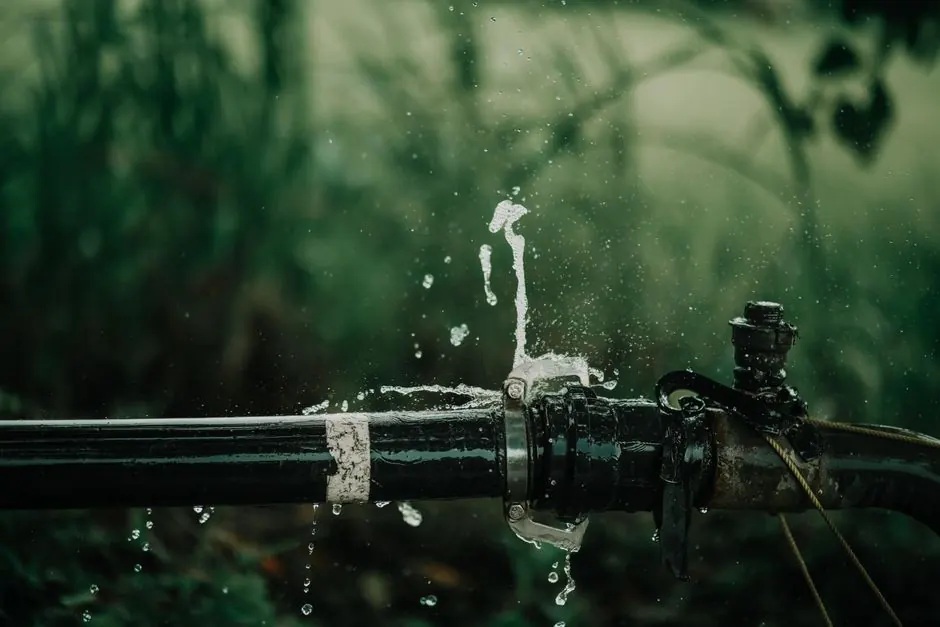
A water heater leak is dangerous when the water is coming from the tank itself, when it's pooling near a gas burner or electrical connection, or when it's been running long enough to soak drywall, flooring, or a ceiling below. A leak from a loose fitting, a drain valve, or a T&P relief line is usually a repair, not an emergency - but you still want it stopped within a day or two. This guide walks through how to tell the difference, what to do in the first ten minutes, and when it's time to call someone.
We run leak calls across Bradenton every week, and the pattern is almost always the same: the homeowner noticed a small puddle a few days ago, mopped it up, and now there's a soft spot in the subfloor. Catching it early is the whole game.
The short answer: when a water heater leak is actually dangerous
A water heater leak is dangerous when it threatens either your safety or the structure of your home - and those are two different problems that need two different responses.
On the safety side, the danger is gas or electricity meeting water. A gas water heater with a wet burner compartment can fail to light, can produce carbon monoxide if the flue is compromised, or can corrode the gas control valve. An electric water heater with water reaching the top element or the junction box is a shock and short-circuit risk. If you smell gas, hear hissing, or see water actively running onto electrical components, that's a call-now situation, not a call-tomorrow one.
On the structural side, the danger is time. Water doesn't need to be dramatic to do damage. A tank that drips one cup an hour puts out roughly 1.5 gallons a day - about 45 gallons a month soaking into the same spot. In a Bradenton home with a water heater in the garage or a closet off the hallway, that water wicks into baseboards, drywall, and the plywood subfloor. Within 48 to 72 hours you're looking at mold growth, and mold remediation in this climate runs $1,500 to $6,000 depending on how far it spread.
So the real question isn't "is it leaking?" It's "where is it leaking from, and how long has it been leaking?"
Where the water is coming from tells you most of the story
The location of the leak is the single best predictor of whether you're dealing with a $200 repair or a $2,000 problem. Here's how we sort them on a service call.
Tank leaks - the ones that end in replacement
If water is weeping from the tank body itself - the side of the cylinder, the bottom seam, or around the base - the tank has failed. Steel tanks are glass-lined on the inside, and once that lining cracks, the steel rusts from the inside out. There is no patch that holds. A tank leak means replacement, and typical 2026 pricing for a standard 50-gallon install in the Bradenton area runs $1,200 to $2,200 depending on venting, code upgrades, and whether we're swapping gas for gas or converting.
You can usually confirm a tank leak by drying the tank completely with a towel, waiting 20 minutes, and watching where the moisture reappears. If it beads up on the metal body, it's the tank.
Fitting, valve, and connection leaks - usually repairable
Water at the cold inlet, the hot outlet, the drain valve, or the T&P relief valve is a fitting problem. These are the leaks we fix on-site the same day. Common culprits:
- Drain valve - sediment jams the seat, or the plastic valve cracks. Replacement is a 30-minute job.
- Dielectric unions - the rubber gasket between dissimilar metals dries out. Very common on units installed 8 to 12 years ago.
- T&P relief valve - if it's dripping, the valve is doing its job but the system pressure or temperature is too high. That's a symptom, not the disease.
- Inlet/outlet nipples - corrosion at the threads. Easy fix, but you have to shut the water off first.
Condensation - the leak that isn't a leak
This one fools people every fall. When Bradenton nights drop into the 50s and 60s and your tank is full of 120°F water, the cold metal sweats. You'll see moisture on the outside of the tank and a small puddle underneath. Wipe it dry, wait an hour, and check again. If it stays dry, you don't have a leak - you have condensation, and it's harmless.
Is a leaking water heater dangerous if it's just a slow drip?
A slow drip is not immediately dangerous to you, but it is dangerous to your house, and the damage compounds faster than most people expect. A drip that looks harmless on Monday is often a swollen baseboard and a musty smell by the following week.
Here's the math we walk homeowners through. A drip that fills a coffee cup in an hour is roughly 1.5 gallons a day. Over a month, that's 45 gallons. Over three months - which is how long some people let it go - that's 135 gallons, all in the same 12-inch radius.
In Bradenton's humidity, wet drywall doesn't dry out on its own. It stays damp, and damp drywall grows mold. We've pulled baseboards off walls where the water heater sat in a closet and found black mold 6 feet away from the tank, following the slope of the floor.
There's also a less obvious risk: a slow drip can be the early warning of a tank that's about to let go completely. If the tank is 10+ years old and you're seeing any moisture at the base, get it looked at before it turns into 40 gallons on the floor at 2 a.m.
Gas, electric, and tankless: the risk changes with the unit
The type of water heater you have changes what a leak actually means, because the failure modes are different.
Gas water heaters
A gas unit with water in the burner compartment is the one we treat as a true emergency. Water and gas controls don't mix. If the burner won't light, if you smell gas, or if you see water running down the side of the tank toward the burner, shut the gas off at the valve and call us. For homeowners who need help fast, our emergency water heater repair Bradenton FL line is staffed around the clock.
Electric water heaters
Electric units have their own risk: water reaching the top element or the wiring compartment can trip breakers, corrode terminals, and create a shock hazard. If your breaker keeps tripping after a leak, don't keep resetting it. Kill power at the panel and get it looked at. Our team handles electric water heater repair Bradenton FL daily, and most element or thermostat issues tied to a leak are a same-visit fix.
Tankless water heaters
Tankless units leak less often, but when they do, it's usually at the inlet/outlet fittings or from scale buildup in the heat exchanger. A tankless leak inside a wall cavity is worse than a tank leak in a garage because you often don't see it until the drywall stains. If you've got a tankless unit and you're seeing moisture at the connections, our tankless water heater repair Bradenton FL techs can pressure-test the lines and descale the exchanger in one visit.
What to do in the first 10 minutes of a leak
If you've got water on the floor right now, do these things in order. Don't skip steps.
- Shut off the water. There's a valve on the cold inlet line above the tank - turn it clockwise until it stops. If it's stuck or you can't find it, shut off the main at the street or at the house shutoff.
- Kill the power or gas. Electric: flip the breaker labeled for the water heater. Gas: turn the gas control knob to "off" or shut the supply valve.
- Contain the water. Towels, buckets, a shop vac - whatever you've got. The goal is to keep water out of the wall and off the floor.
- Document it. Take photos before you clean up. If you're filing an insurance claim, this matters.
- Call us. A leak that's been stopped still needs a diagnosis. The valve you closed might be the fix, or it might be masking a tank failure.
One note on the shutoff valve: on units older than 10 years, the inlet valve often won't close all the way because of mineral buildup. If you turn it and water keeps flowing, go to the main.
Common mistakes we see on leak calls
The mistakes are consistent, and they're what turn a $250 repair into a $3,000 restoration job.
- Mopping it up and waiting. If you're mopping the same spot twice a week, the leak isn't small - you've just normalized it. Water is still going into the subfloor.
- Putting a bucket under it and forgetting. A bucket catches the visible water. It doesn't catch the water running down the back of the tank into the wall.
- Sealing the tank with epoxy or JB Weld. We see this a lot. It holds for a few weeks, then fails catastrophically because the tank is still rusting from the inside.
- Resetting the breaker over and over. On an electric unit, a tripping breaker after a leak means water is in the wiring. Stop resetting it.
- Ignoring the T&P valve drip. A dripping relief valve means pressure or temperature is out of spec. That's a safety device telling you something is wrong.
- Not checking the pan drain. If your water heater sits in a pan with a drain line, make sure the line isn't clogged. A clogged pan drain turns a 1-gallon leak into a flooded closet.
We see the epoxy and bucket approach most often in older Bradenton neighborhoods where water heaters sit in garage corners or hallway closets. If that's your setup, our water heater leak repair Bradenton FL service is built for exactly this - we find the source, fix it, and test the line before we leave.
When to call a professional
Call us when the water is coming from the tank body, when you smell gas, when a breaker won't stay on, or when the leak has been running long enough that you're seeing stains on the ceiling below or soft spots in the floor. Those four situations are the ones that get worse if you wait.
If it's a fitting or valve leak and you're comfortable shutting off the water, you can wait until morning. But if the unit is more than 10 years old, get it looked at either way - a fitting leak on a 12-year-old tank is often the first sign the tank itself is on its way out.
We handle this work across the area, including Water Heater Repair in Lakewood Ranch and the surrounding neighborhoods, and we'll tell you straight whether it's a repair or a replacement. No pressure either way.
Frequently Asked Questions
Can a leaking water heater explode?
A water heater can rupture violently if the T&P relief valve is blocked and pressure builds - that's why the valve exists. A standard tank leak from corrosion won't explode, but it can release 40 to 50 gallons in minutes. If your relief valve is capped or plugged, call us today.
How long can I leave a water heater leaking before it causes damage?
You have roughly 24 to 48 hours before mold risk starts climbing, and 72 hours before it's likely. Structural damage to subfloor and drywall typically shows up within a week of continuous leaking. Shut the water off today, even if you can't get it repaired until tomorrow.
Is a small drip from the T&P valve dangerous?
It's a warning, not an immediate hazard. A dripping T&P valve means system pressure is above 150 PSI or temperature is above 210°F. Both are hard on the tank. Get it diagnosed within a few days - usually it's a failed expansion tank or a bad valve.
Will homeowners insurance cover water heater leak damage?
Most Florida policies cover the resulting water damage but not the water heater itself, since a leak is considered a maintenance failure. Document everything with photos before cleanup. Coverage varies by carrier, so check your policy or call your agent before you file.
How much does water heater leak repair cost in Bradenton?
Fitting, valve, and connection repairs typically run $150 to $400 in 2026. If the tank itself has failed, replacement runs $1,200 to $2,200 installed. We give you the number before we start, so there are no surprises on the invoice.
Get help with Water Heater Repair in Bradenton
If you've got water on the floor and you're not sure whether it's the tank or a fitting, we'll come out, find the source, and give you a straight answer. We handle Water Heater Repair Bradenton FL for homeowners across the area, and we stock the common parts so most repairs are done in one visit.
Call +1 (941) 304-0128 and we'll get someone out to you.